My Journey With Drones and FPV flying
I’ve always been really interested in drones. I think my first contact with them was watching Charpu’s freestyle videos on YouTube and being completely amazed by his flying. I never got to build one until recently, but at some point I was so into it that I actually designed and 3D printed a drone frame that I published on Thingiverse back in 2016.
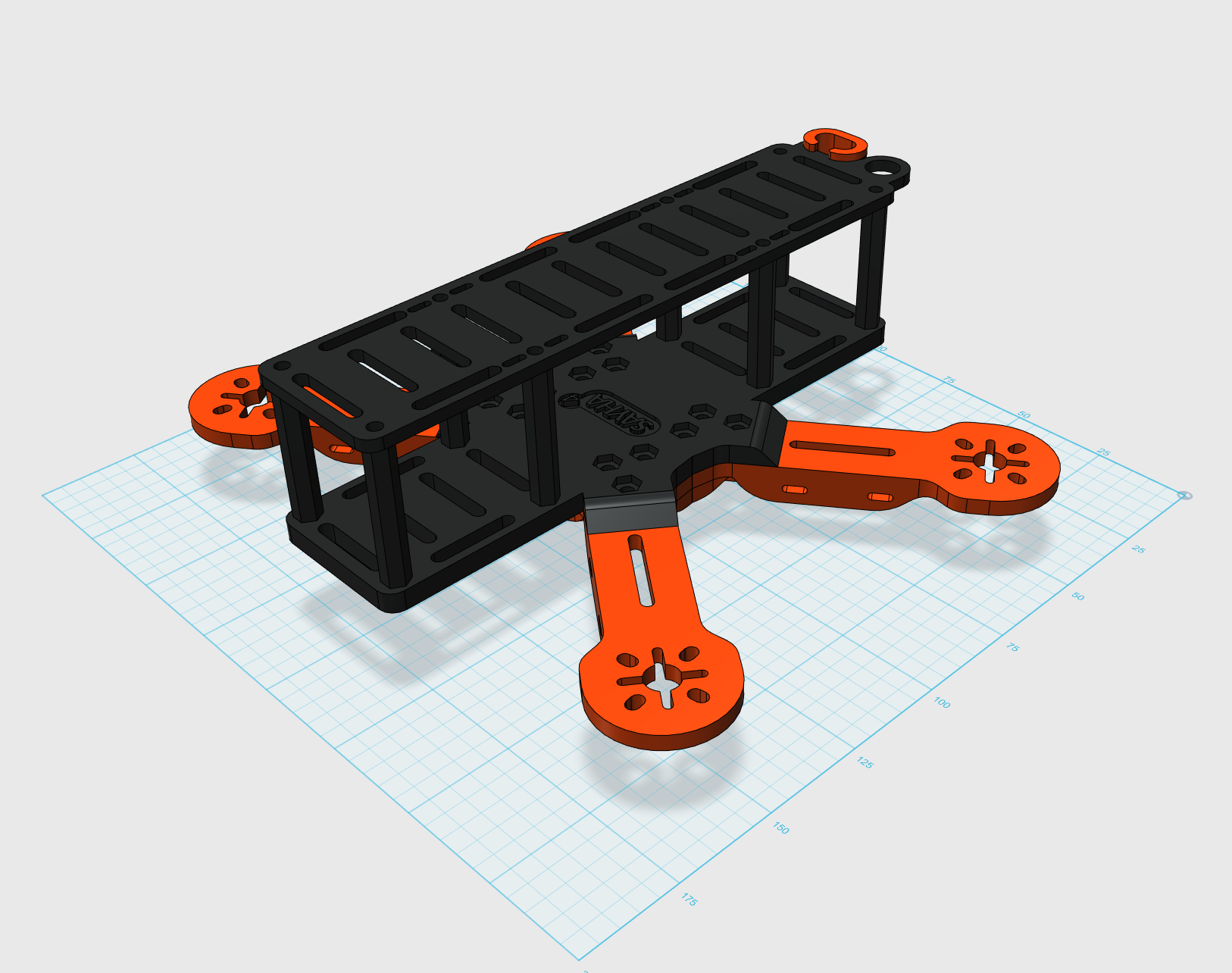
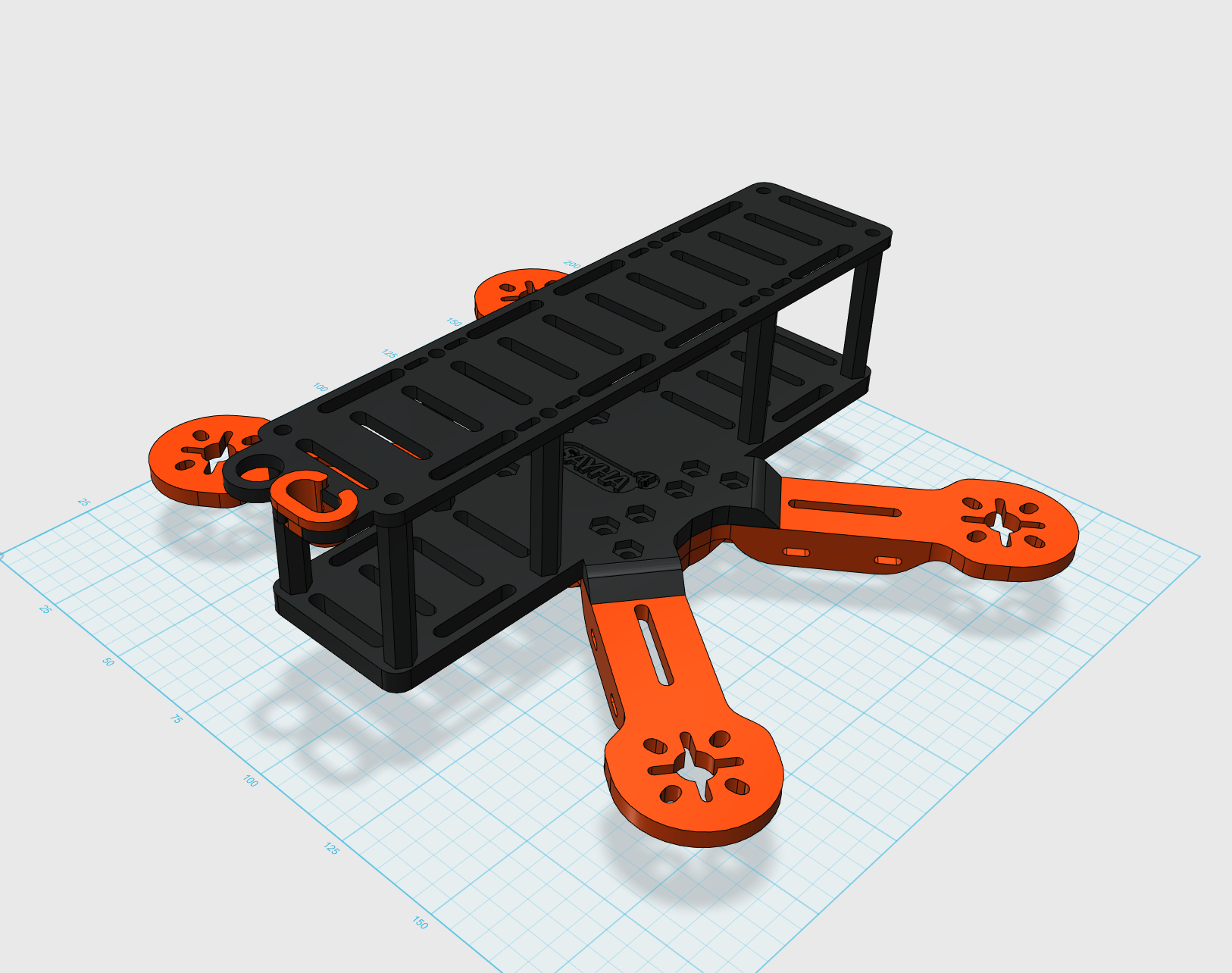
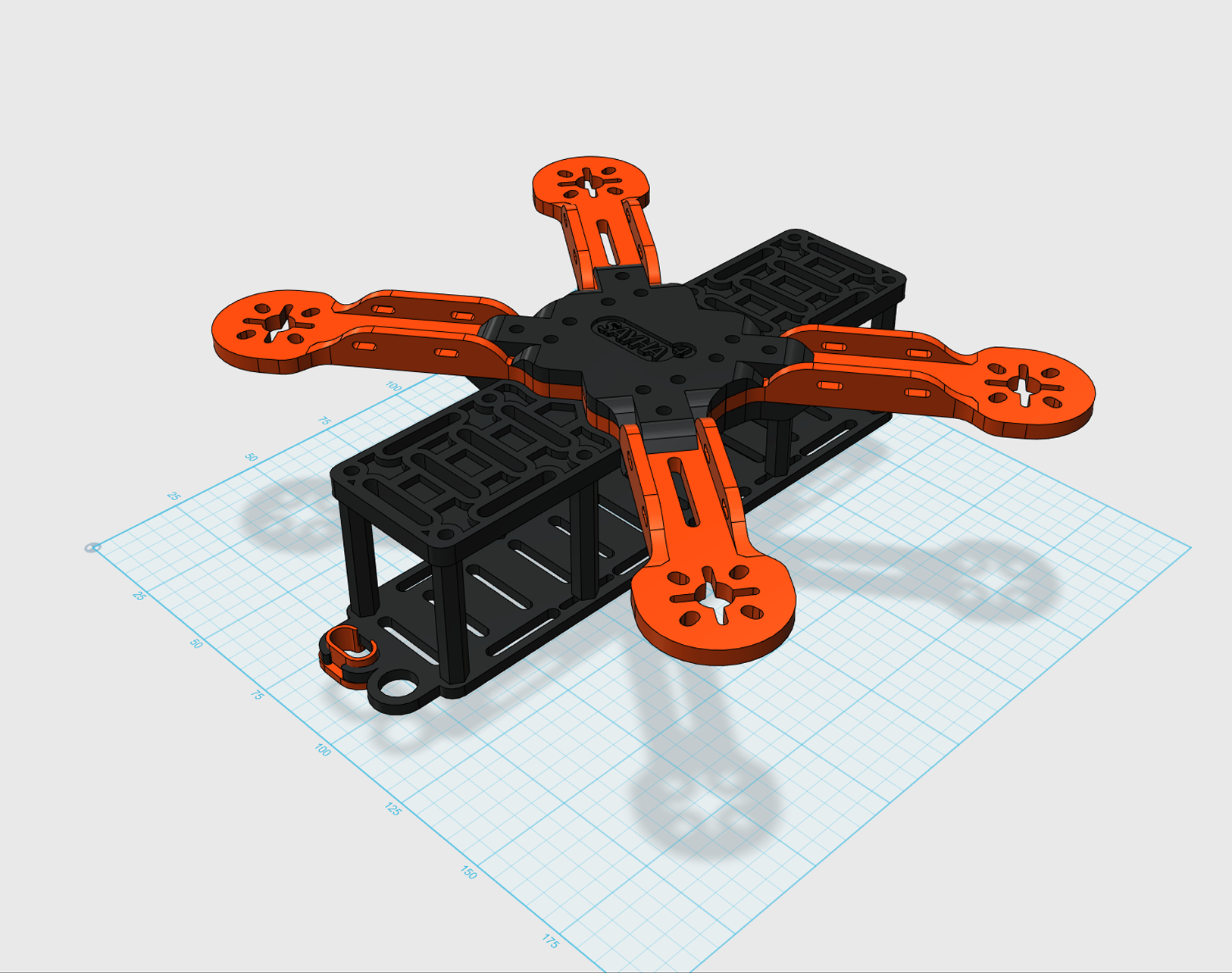
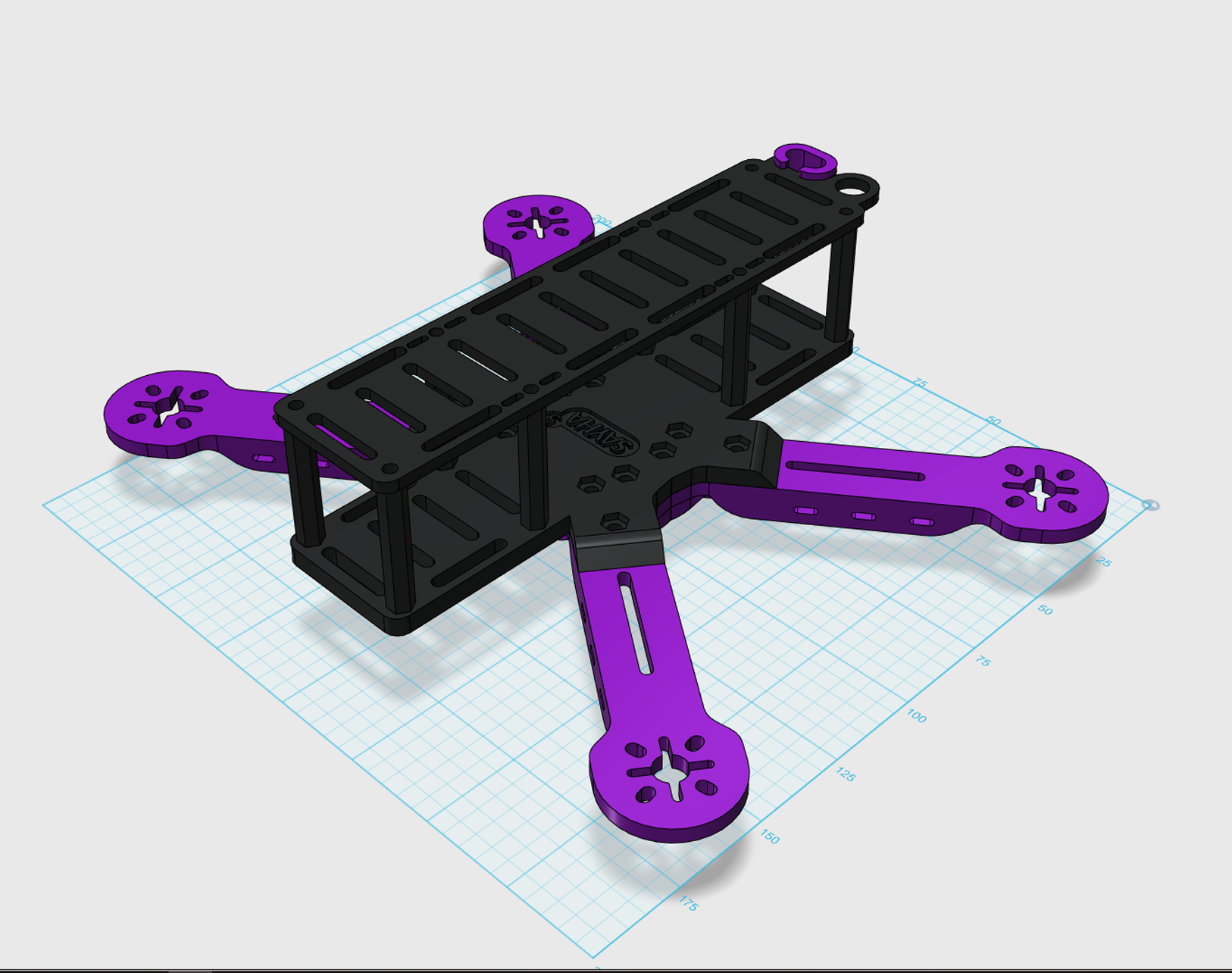
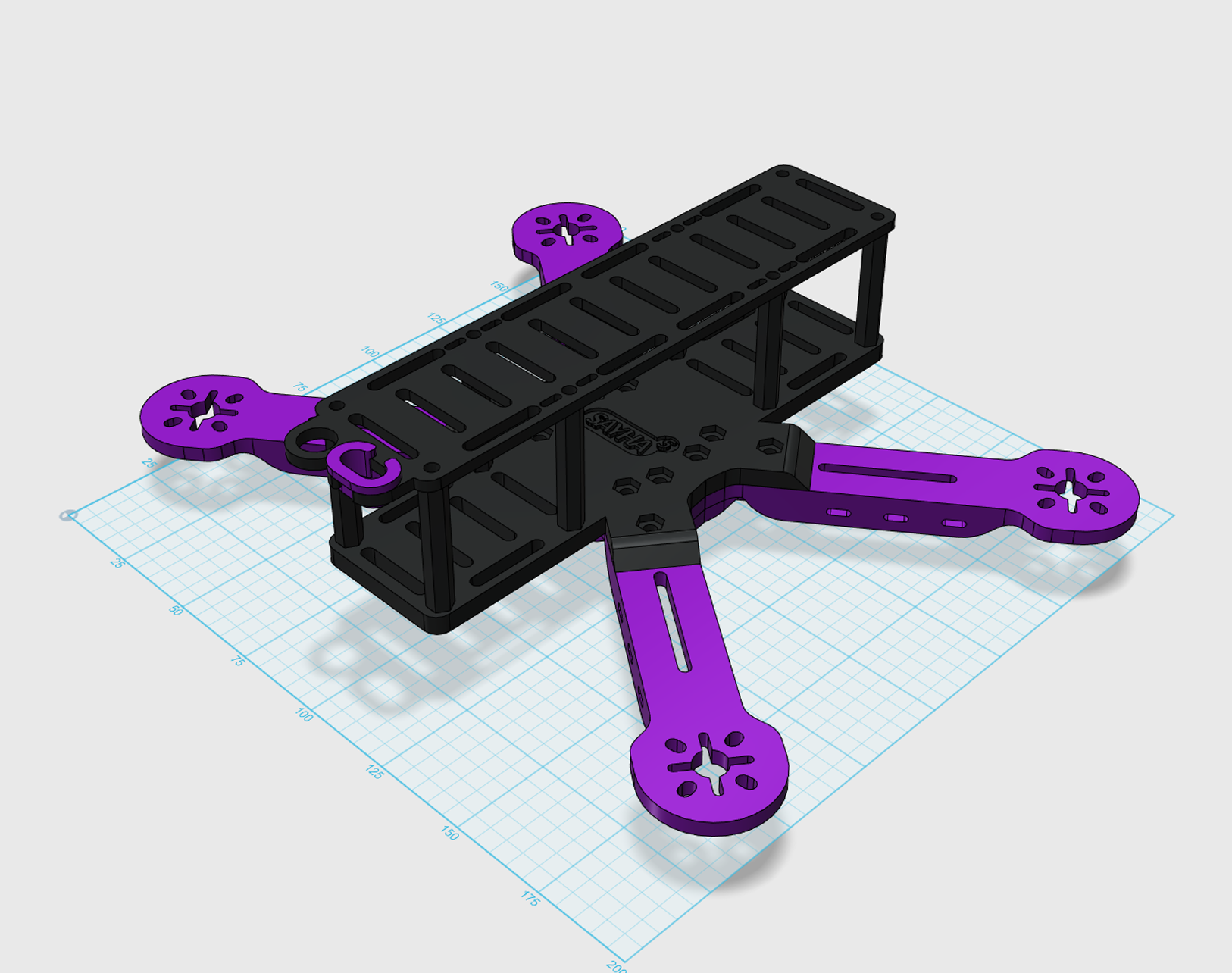
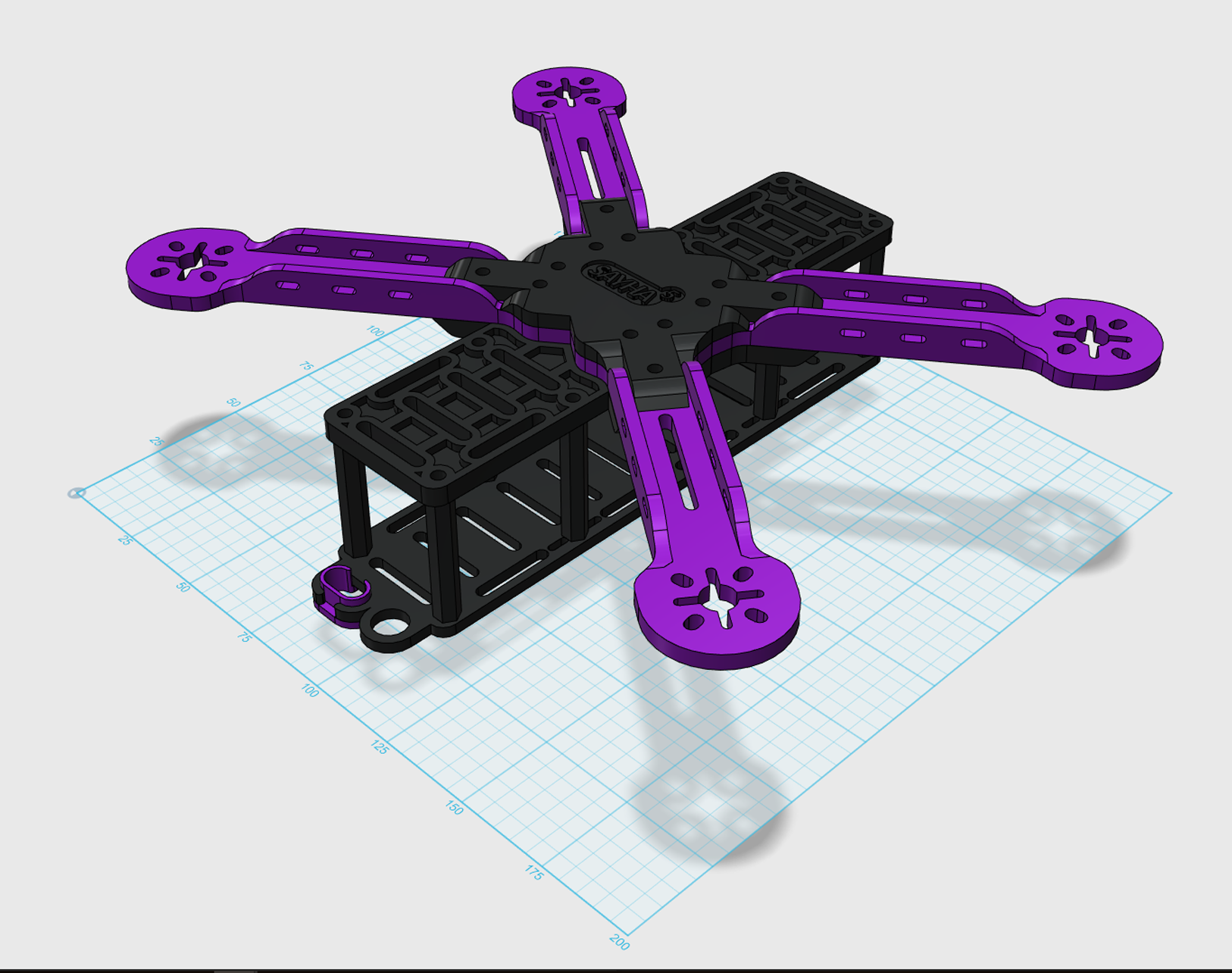
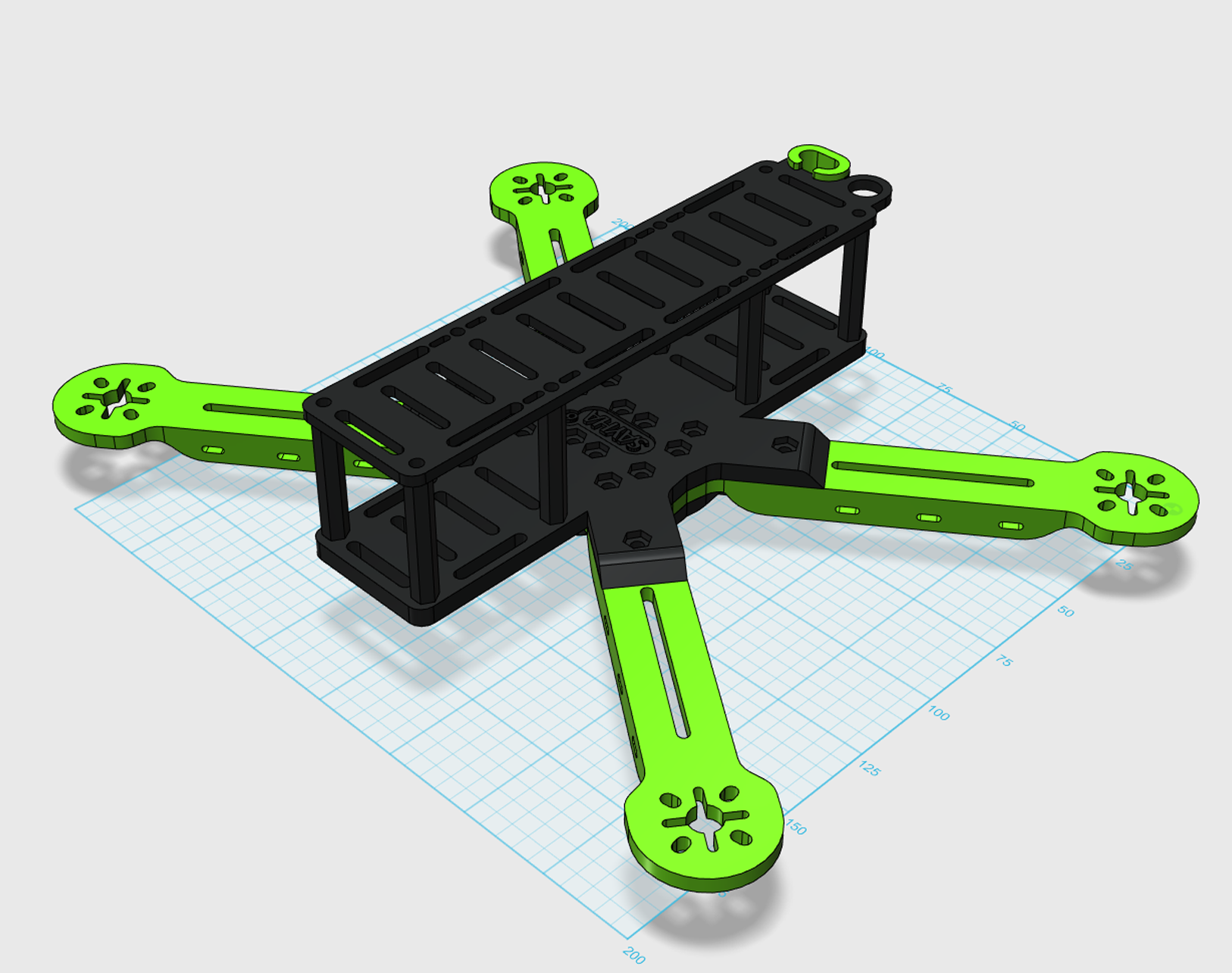
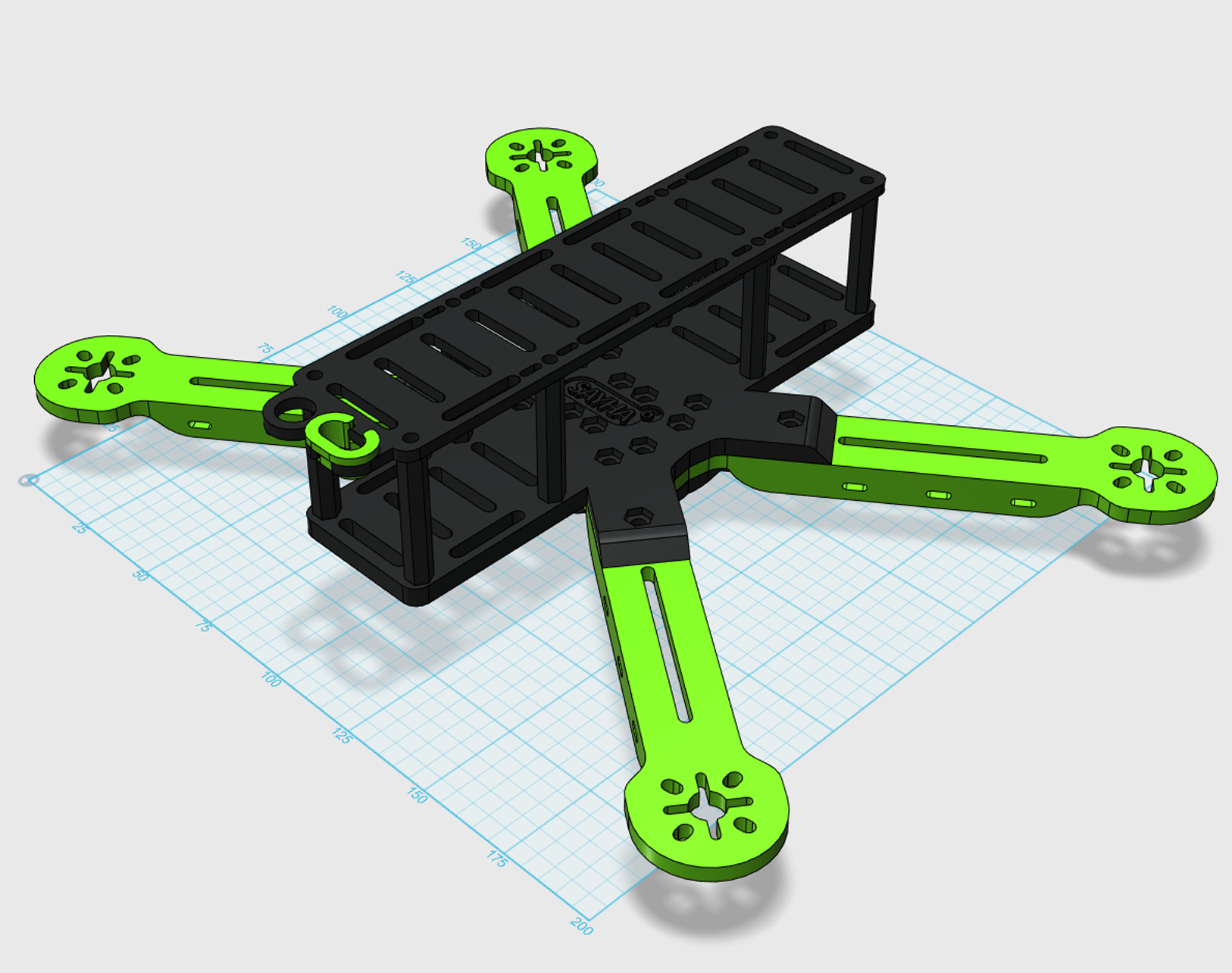
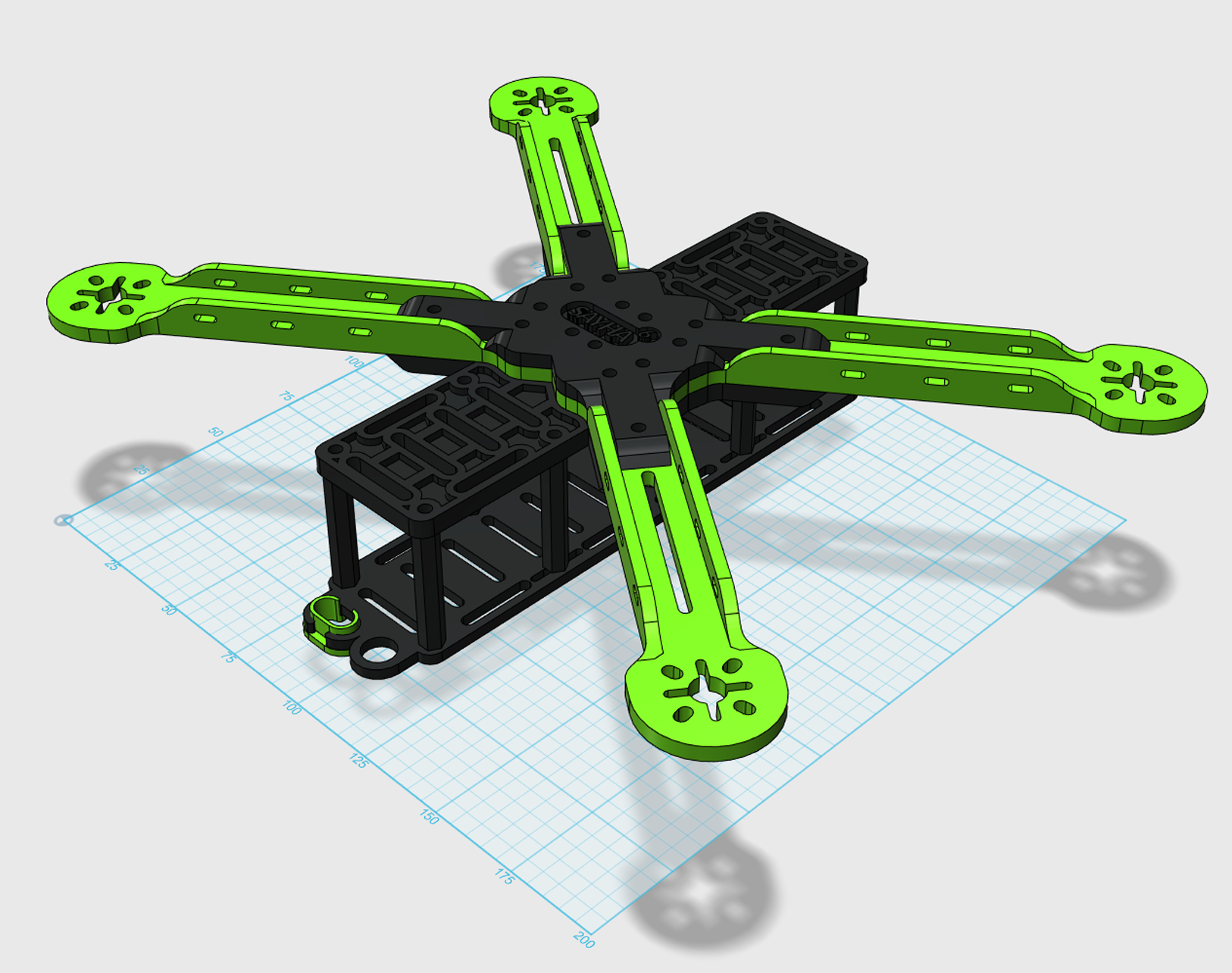
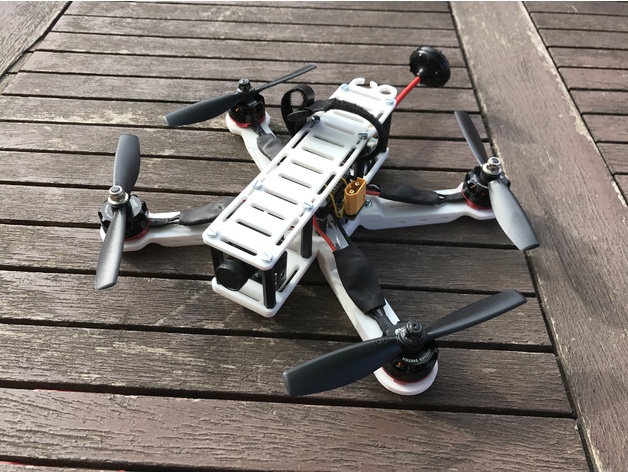
Sayha - X FPV Quadcopter 4" 5" 6"
This drone frame was my first big venture into 3D modeling and 3D printing. I took this project as a way to force myself to learn Autodesk 123D Design (now discontinued sadly). The frame was based on the Impulse RC Alien and Lumenier QAV-R with center X removable arms, and I made it available in various sizes from 4", 5" and 6" propellers. It was a great experience troubleshooting how to design it and it got me really fascinated with 3D modeling in general. The funny part is I never ended up building a functional version of my design.
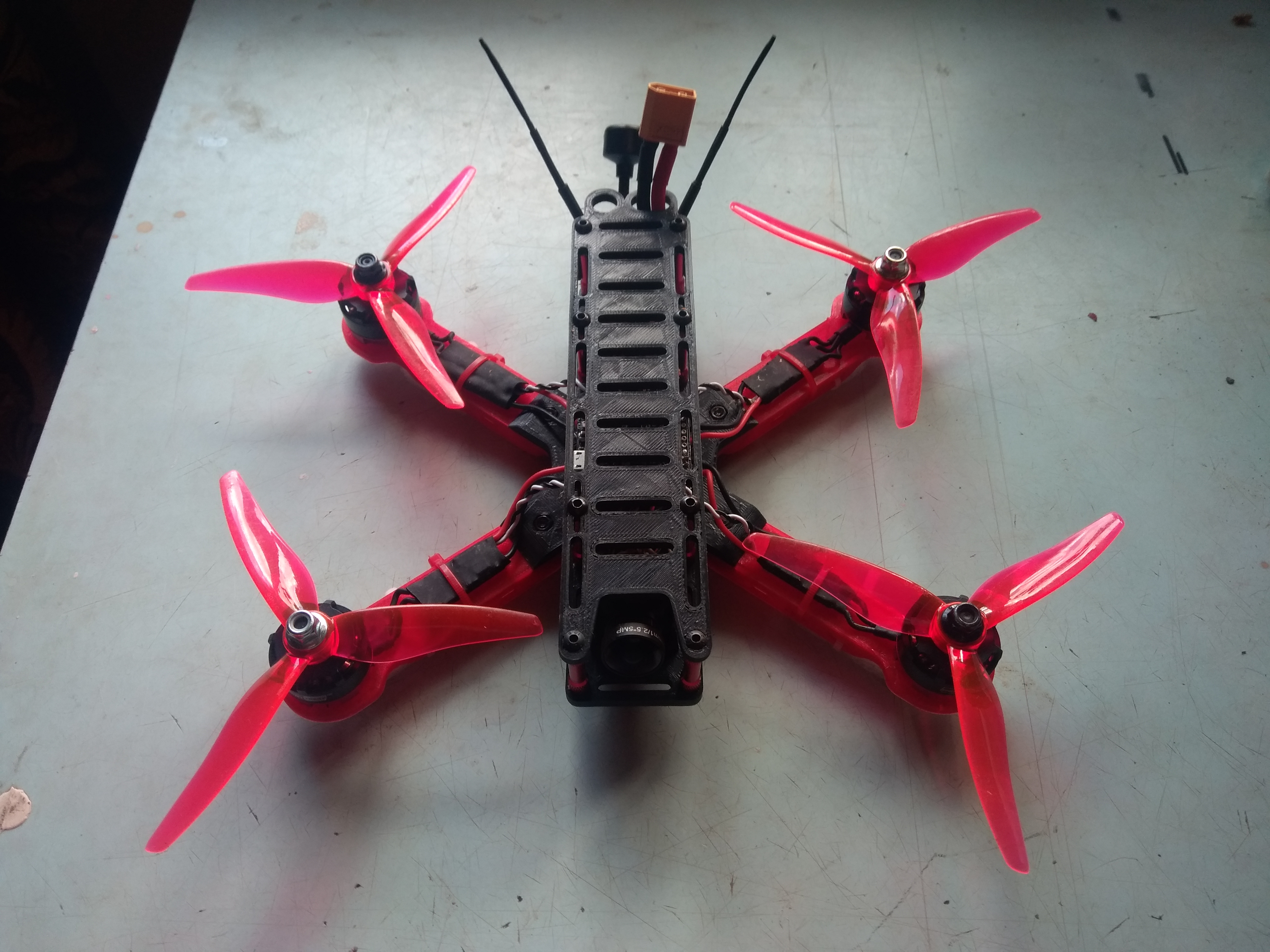
Thingiverse Community Prints
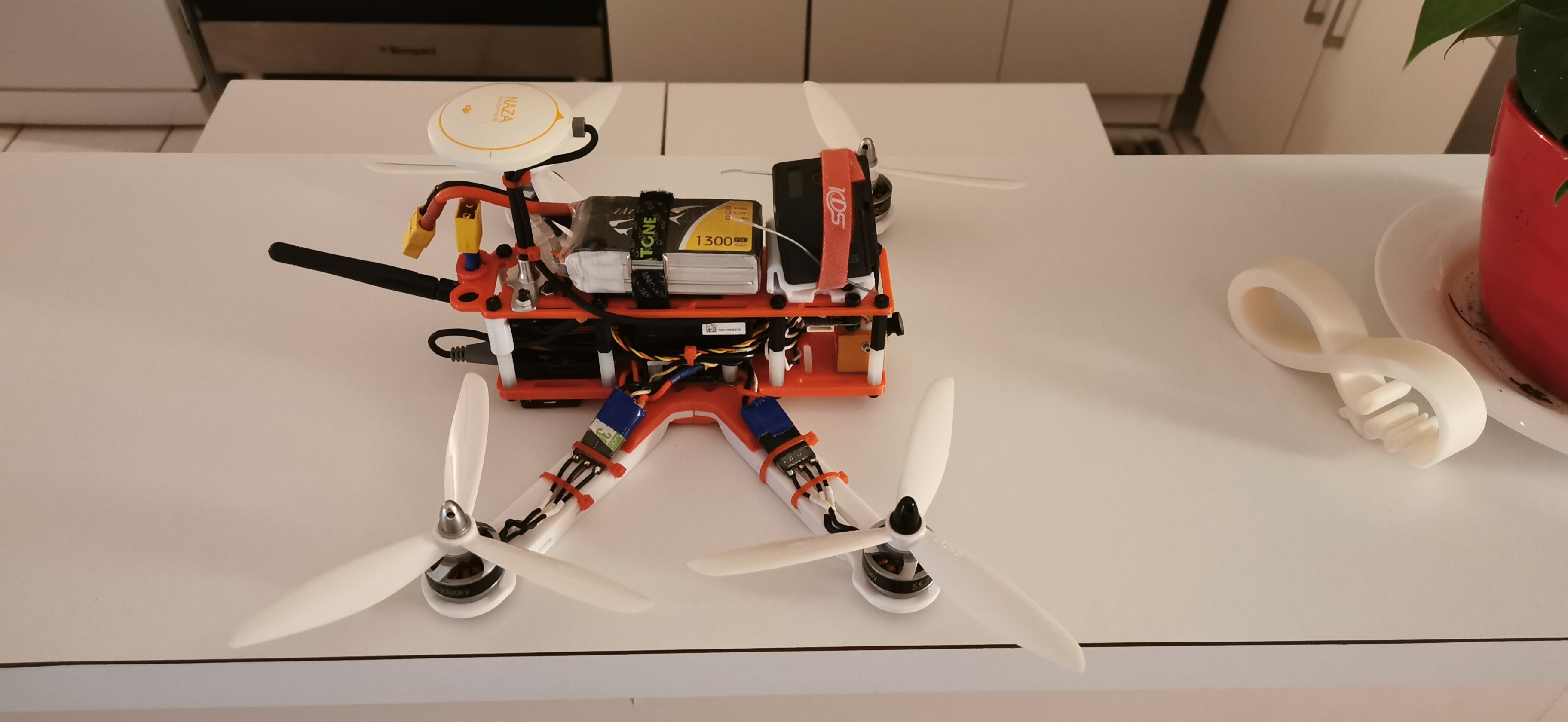
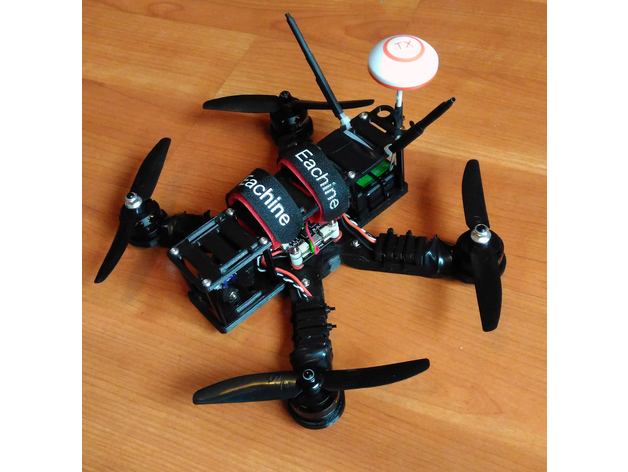
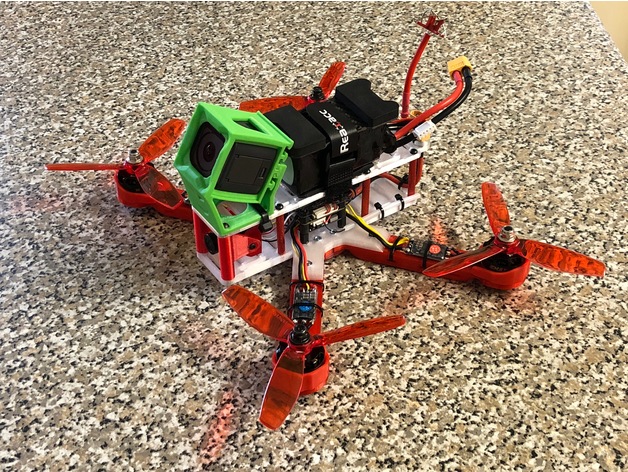
The most rewarding aspect of sharing your designs on Thingiverse is seeing other users building and having fun with them. It was great looking at what others have done with the frame and the different types of builds they put together. 3D printed frames are somewhat of a prototype experience and we shouldn’t expect them to last long, especially after a couple crashes at high speed.

Liftoff and drone racing simulation
A few years passed where I forgot about drones, until one day I was browsing Steam and found a couple of drone racing simulators in the store. I thought this could be a practical alternative to the real thing, so I bought Liftoff and got myself started with an Xbox controller.
Radio Controllers with PC support via USB
One thing became clear really fast: it was a lot harder than I thought and the Xbox controller wasn’t going to cut it. Radio controllers, the ones used for piloting RC planes, drones, boats, and cars, are quite different from your typical console controller. The joysticks have a more linear movement up and down and right to left, and usually one of them doesn’t have a spring, so it will stay in position.
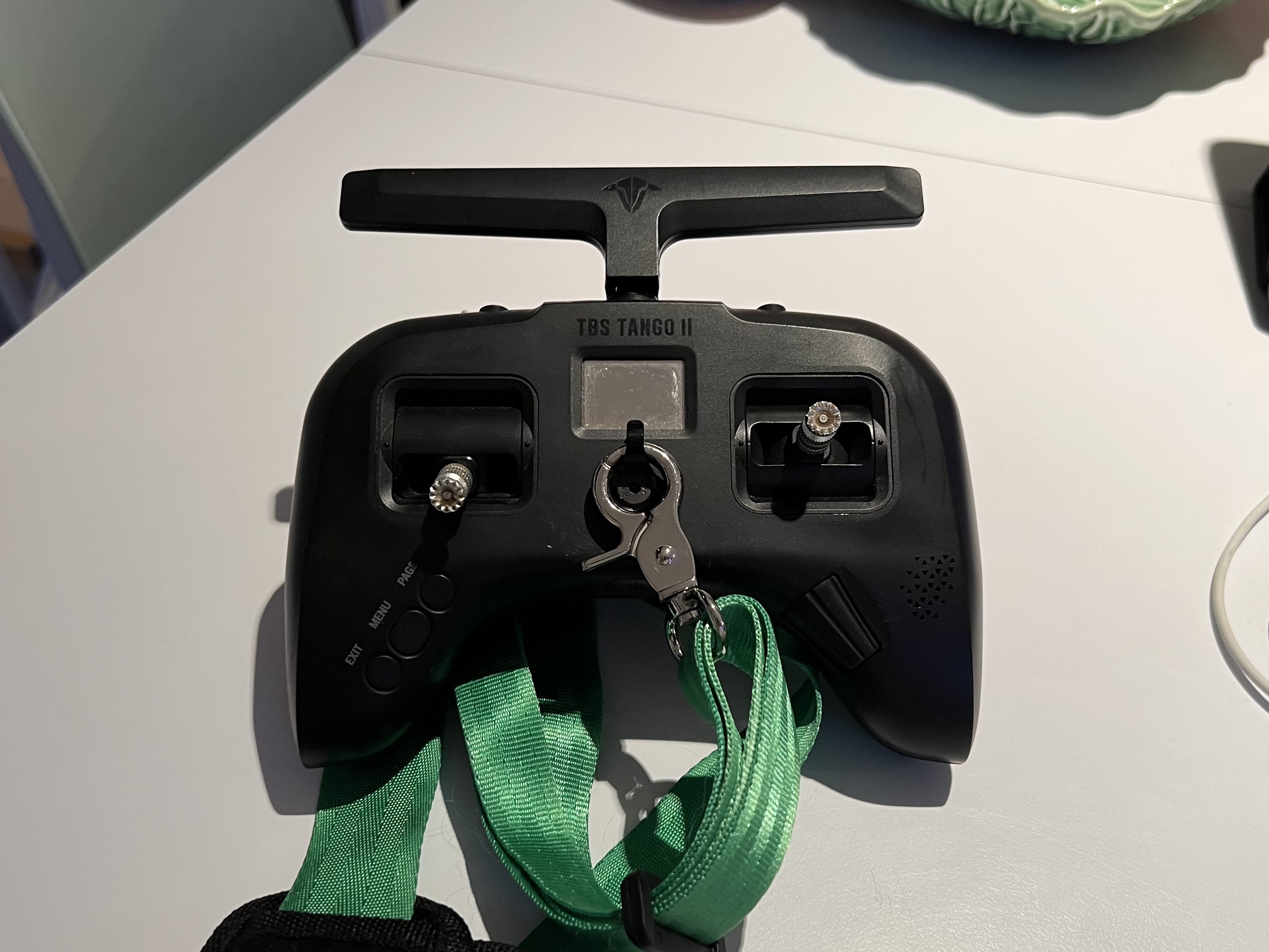
After doing some research online, I came across the TBS Tango 2, and it ticked all the boxes for me. It supported PC connection via USB-C, had an included battery, and was quite similar in form factor to console controllers. The Tango 2 allowed me to learn in the simulator and once I was ready I could use it to fly real drones, which was perfect.
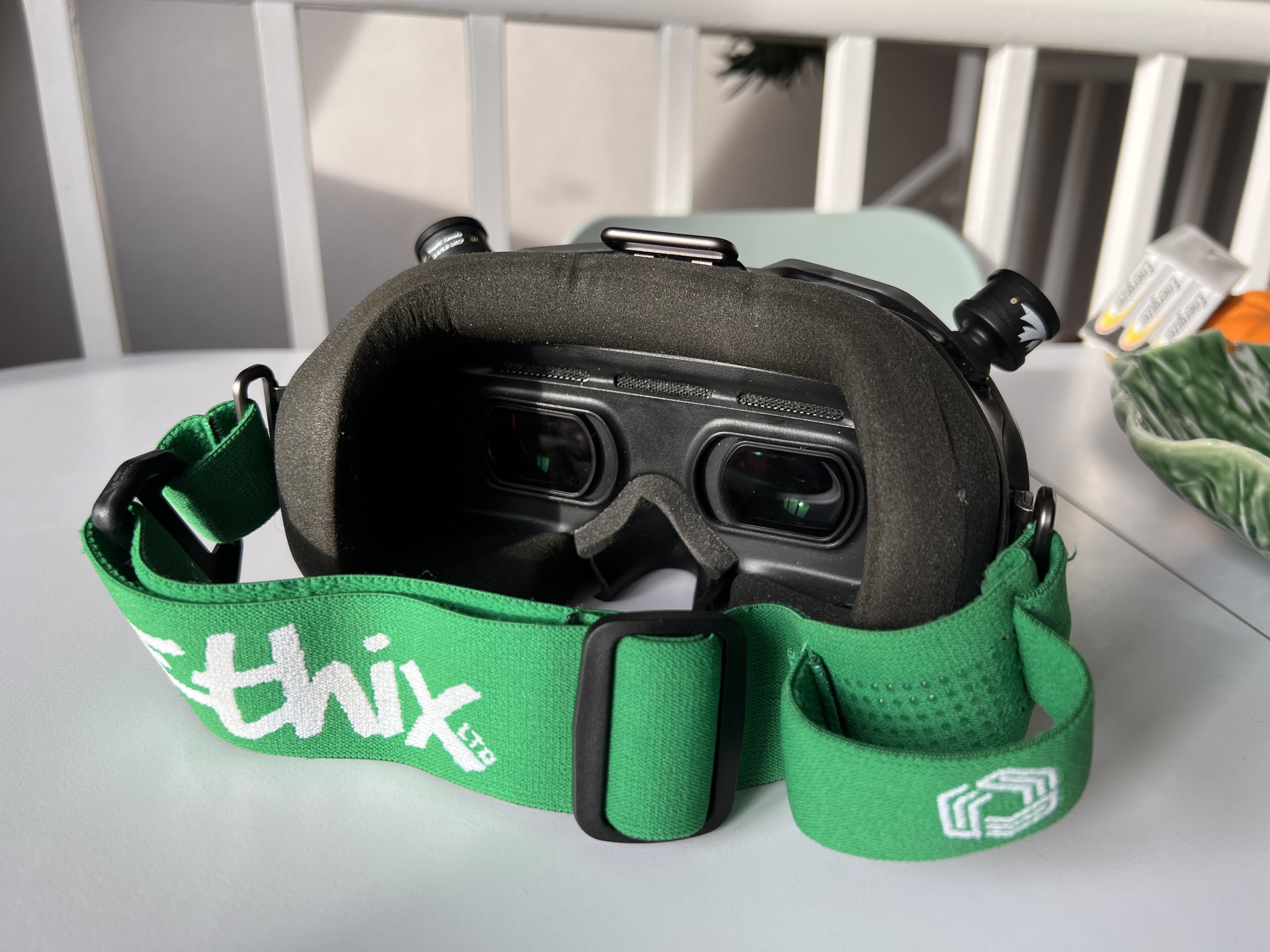
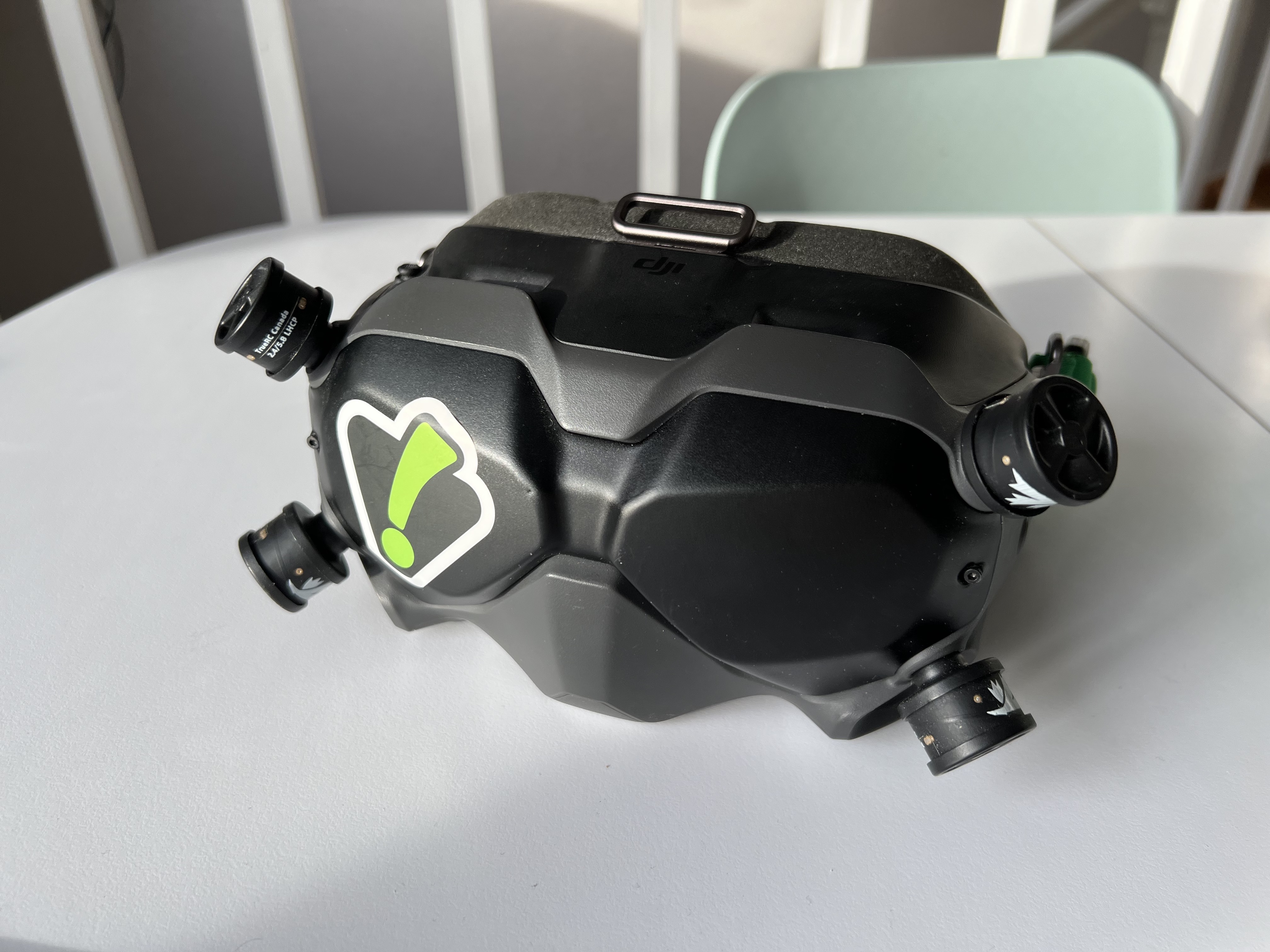
DJI FPV Goggles V2
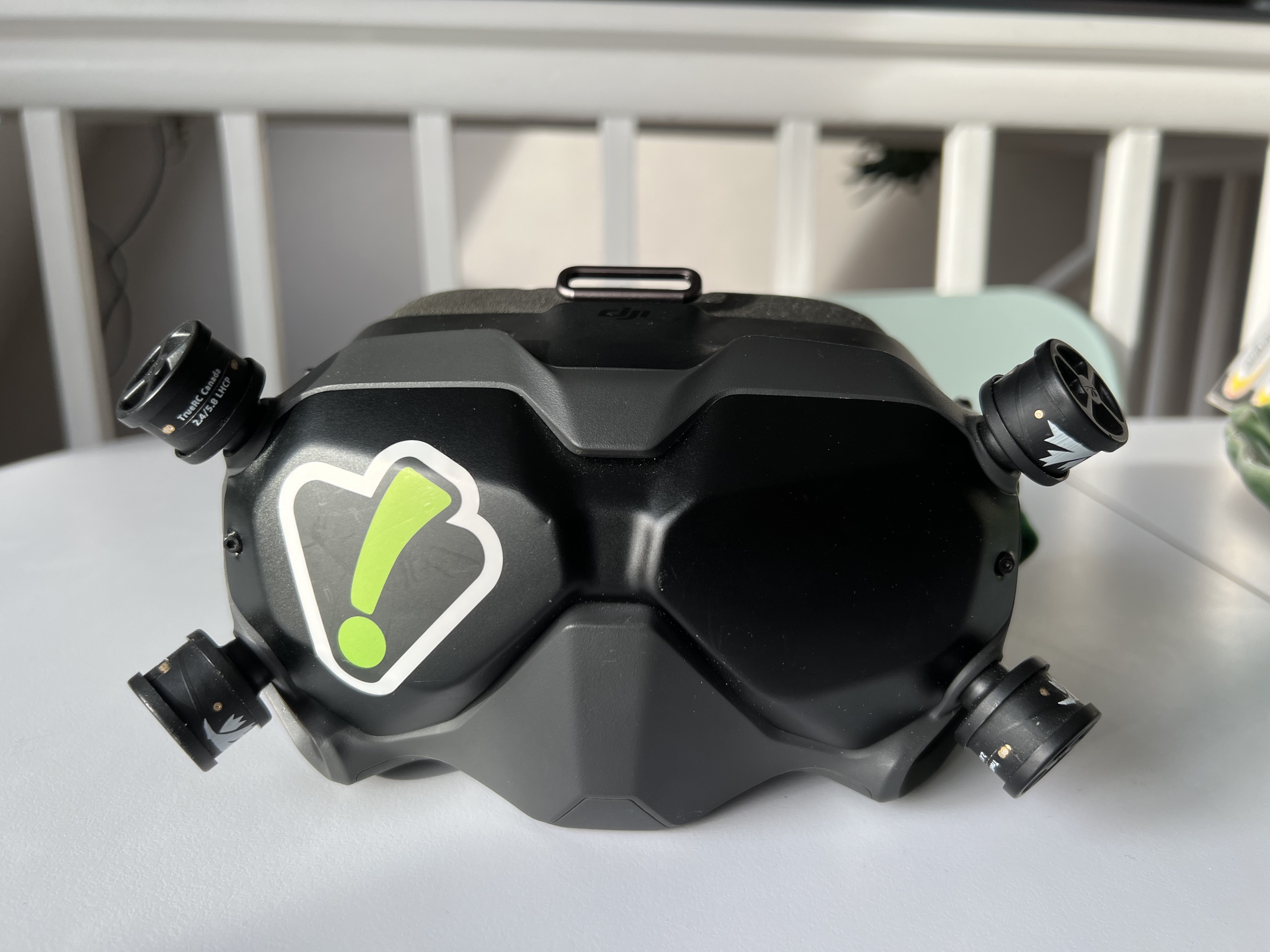
The next thing I needed was goggles, and I went with the DJI FPV Goggles V2. Analog still has its advantages, mainly lower latency and a lot more gear to choose from, but the picture on the digital ones is much better and that mattered more to me.
I made a couple of small changes to them. I added a sponge frame for a bit more cushioning and a better fit on my face, and swapped the original strap for an ETHIX one, which is more comfortable on longer sessions.
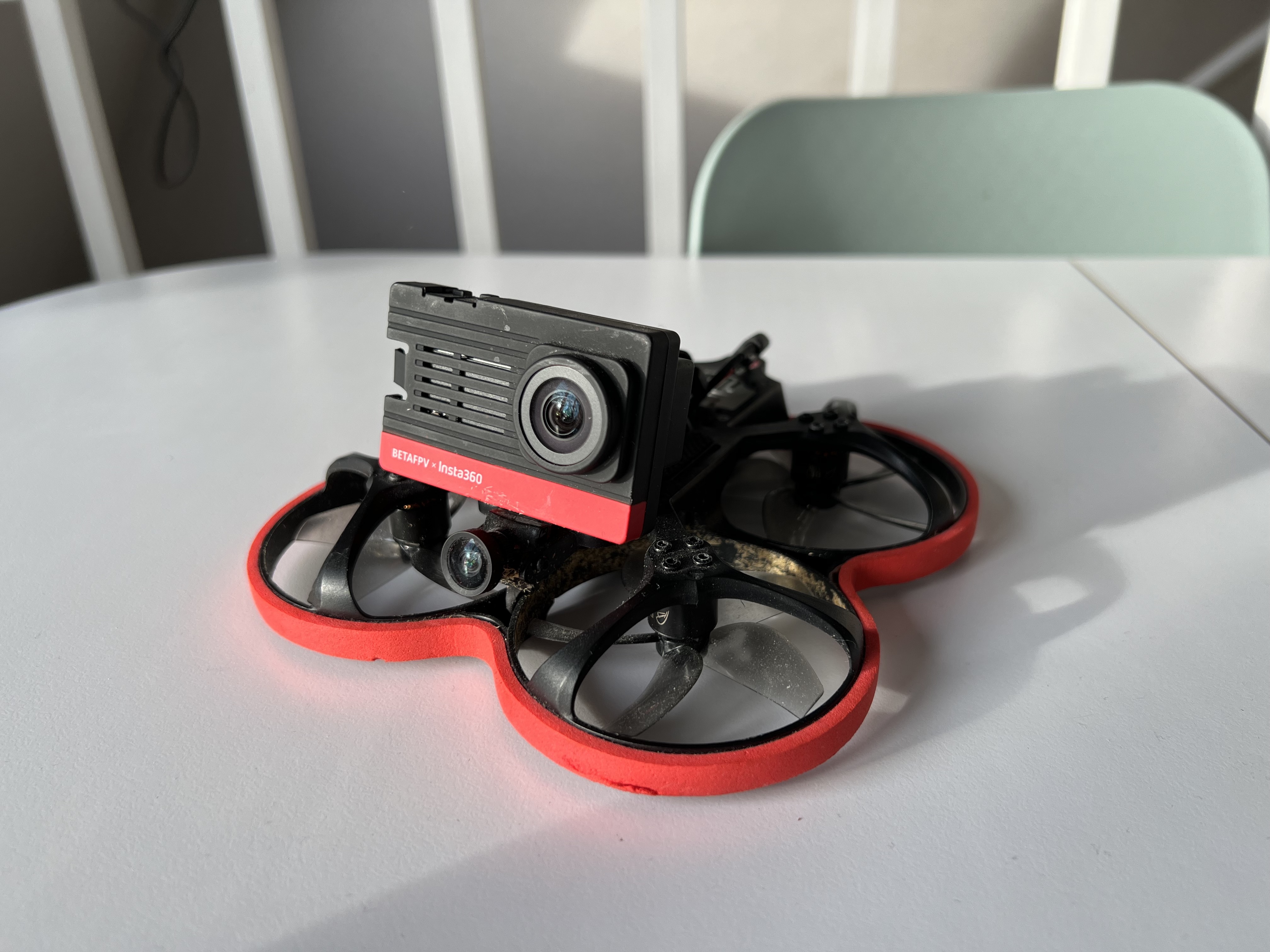
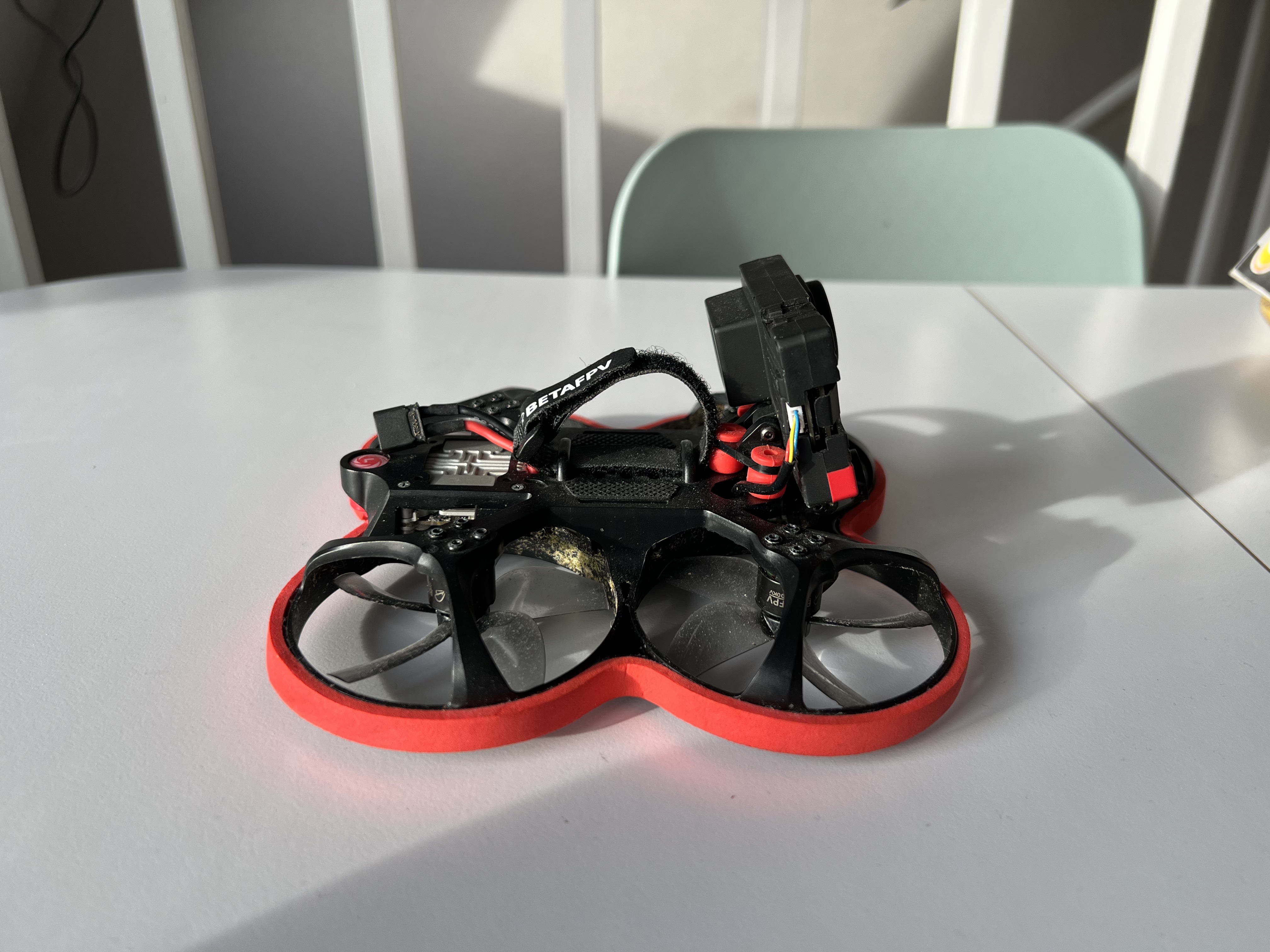
My first drone, the Beta FPV 95X
We all have to start somewhere and I wanted something I could throw around that could take a beating and still fly. I opted for the Beta FPV 95X V3. It’s a small drone, made mostly of plastic parts, but with good flying capabilities. Paired with the TBS Tango 2 and the DJI FPV Goggles it’s a really fun combo. The drone is also powerful enough to carry a naked GoPro or in this case, an Insta360 SMO4K while still being under the 250g weight mark where regulations for flying are more strict.
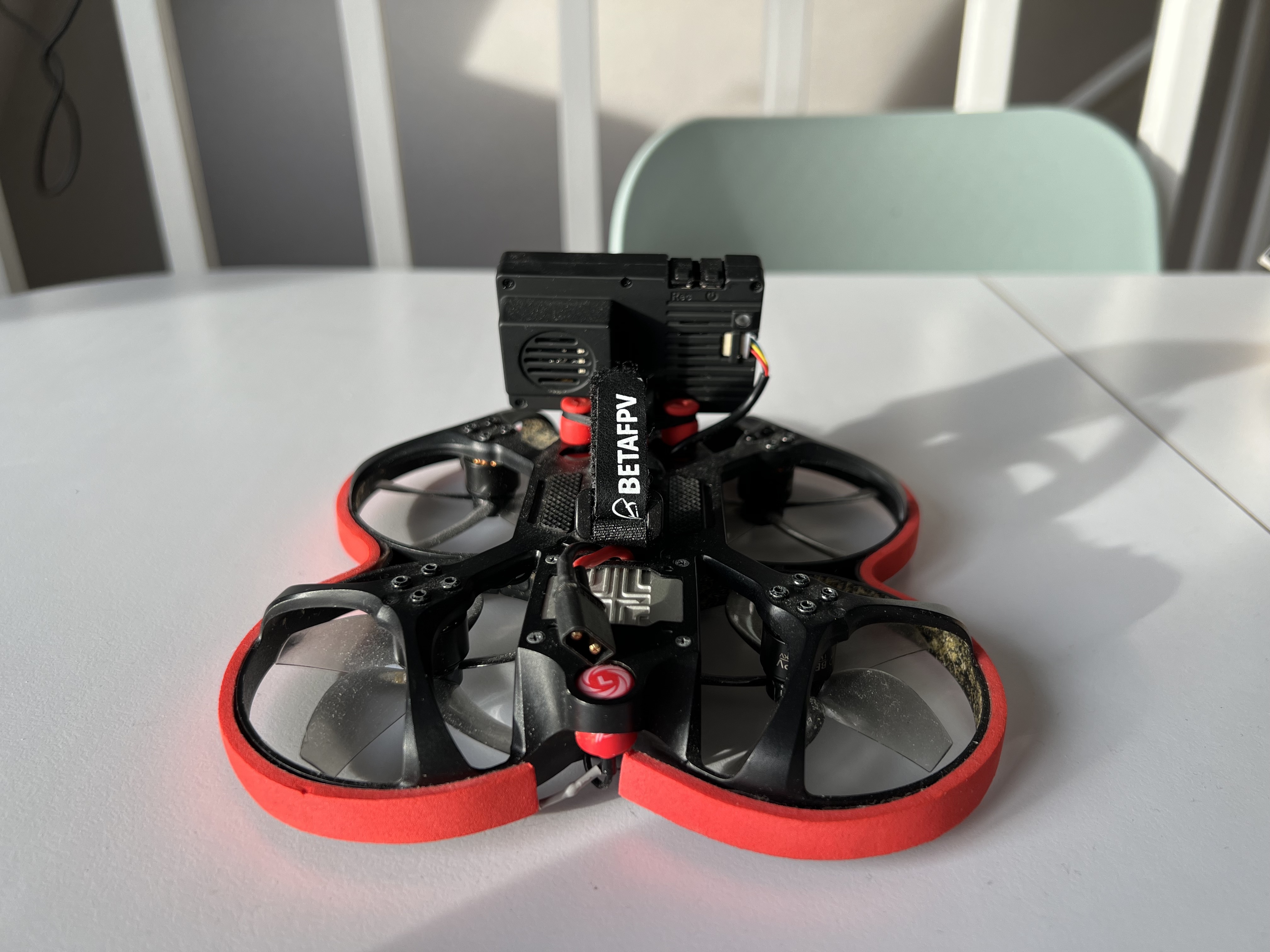
Long Range with the Flywoo Explorer 4" LR
Following up on the 95X, I wanted to continue small (sub 250g) but try something with longer flying time. The 95X was giving me 2-4 minutes, so I looked around for something better in that aspect and found the Flywoo Explorer 4 LR (Long Range). The Flywoo was giving me considerably more flying time and ended up being a lot more fun to fly. It also had some nice features like GPS and return to home.
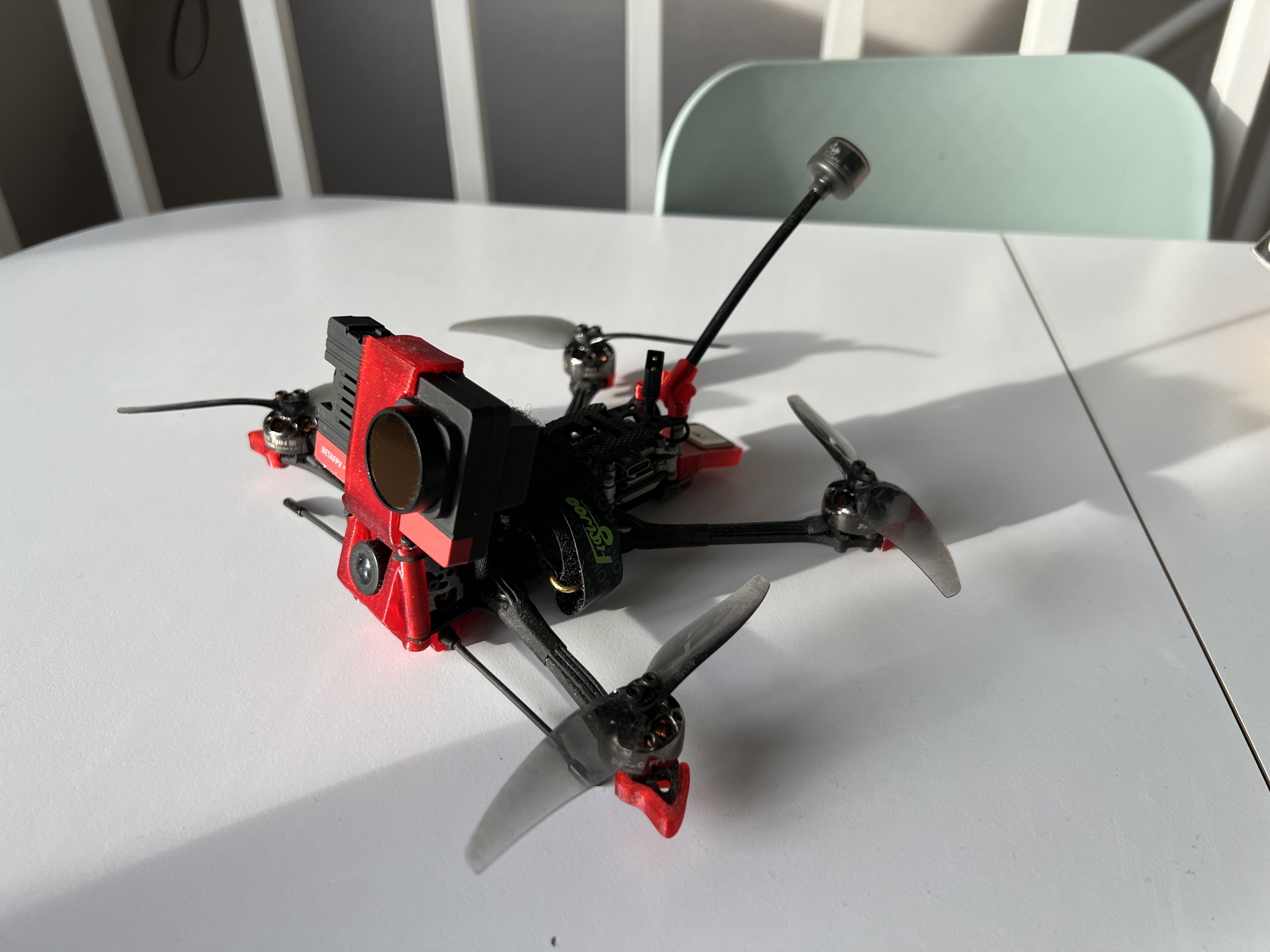
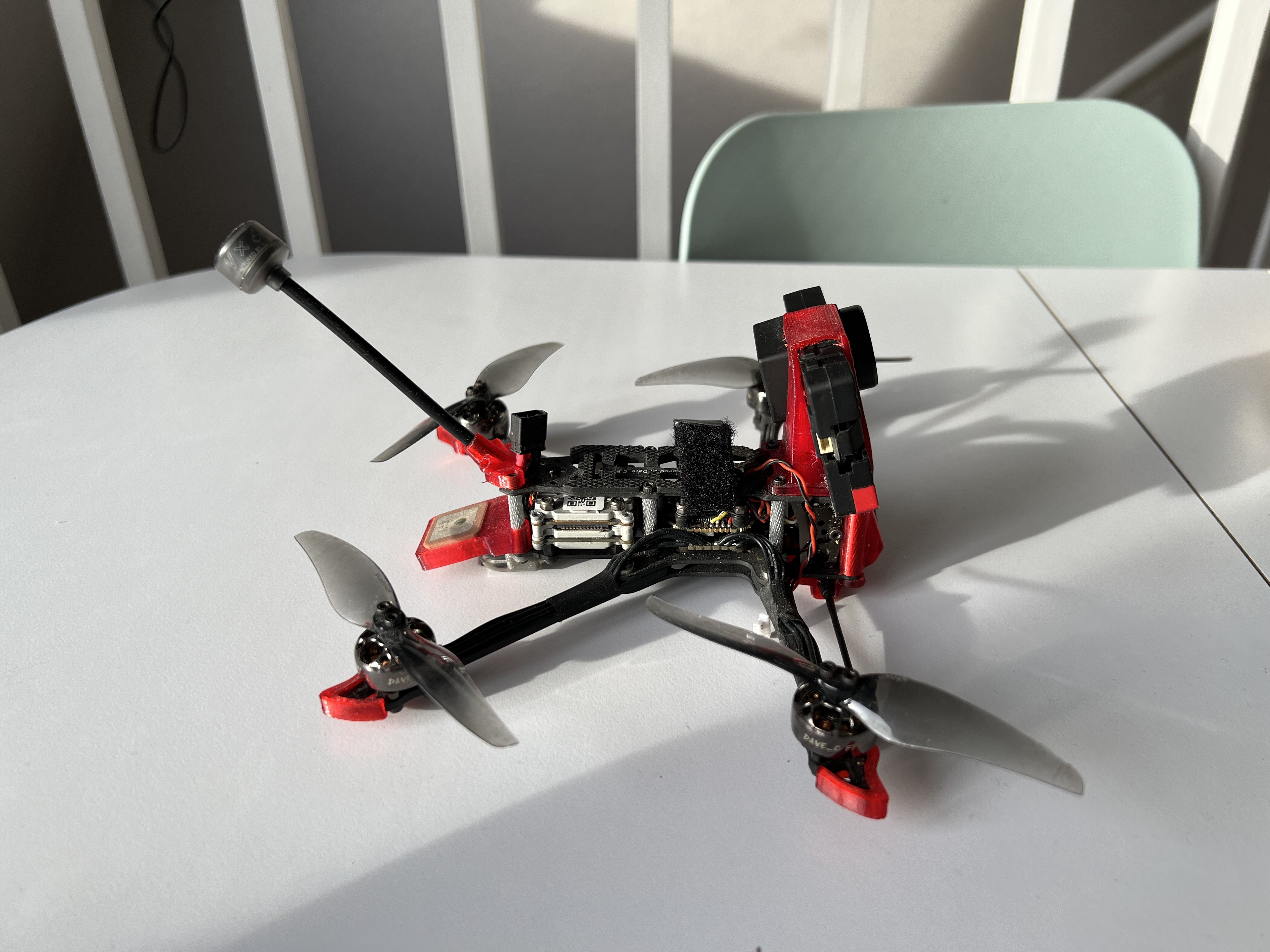
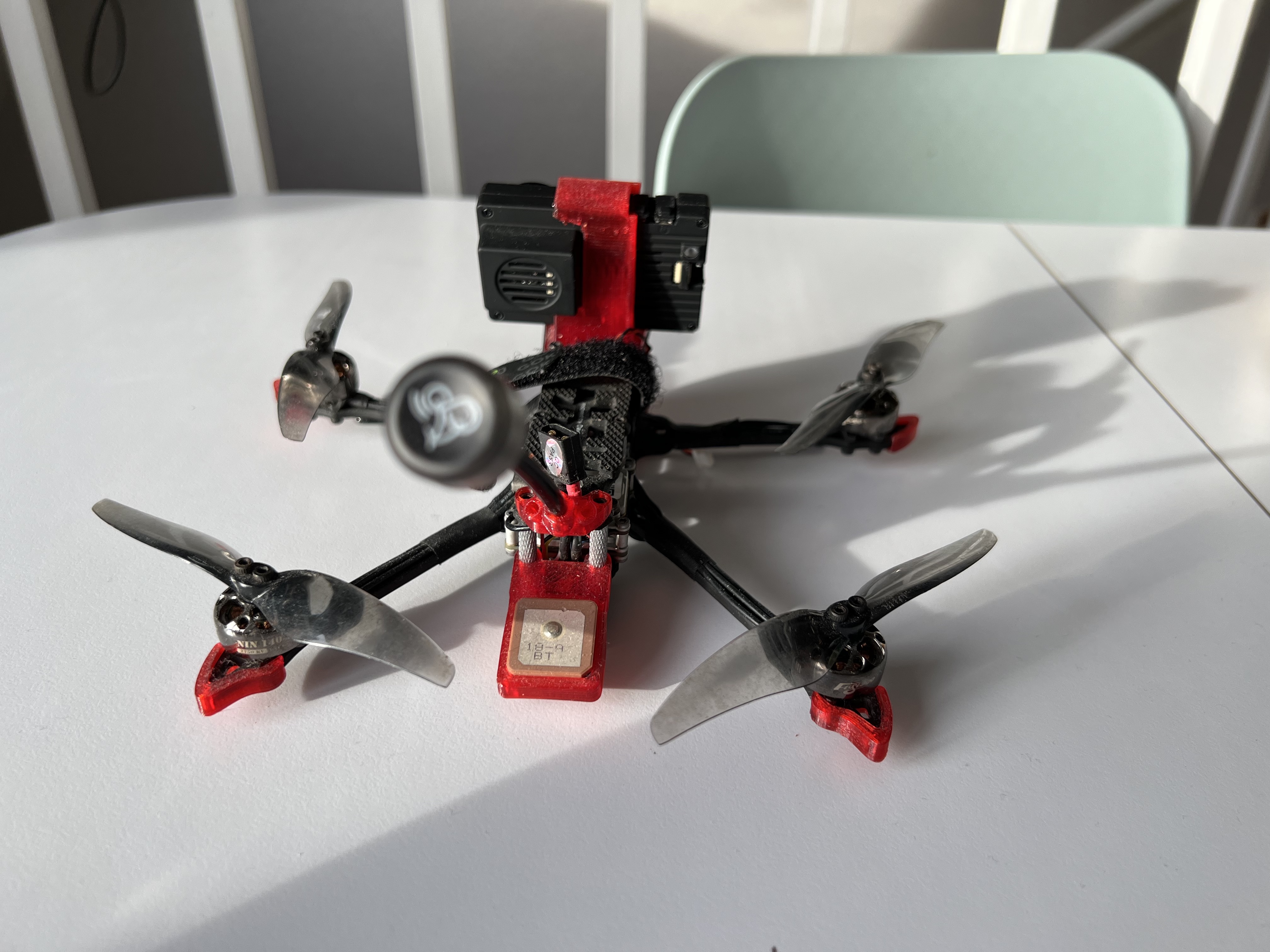
Ummagawd 2Fiddy Ultra Light 5"
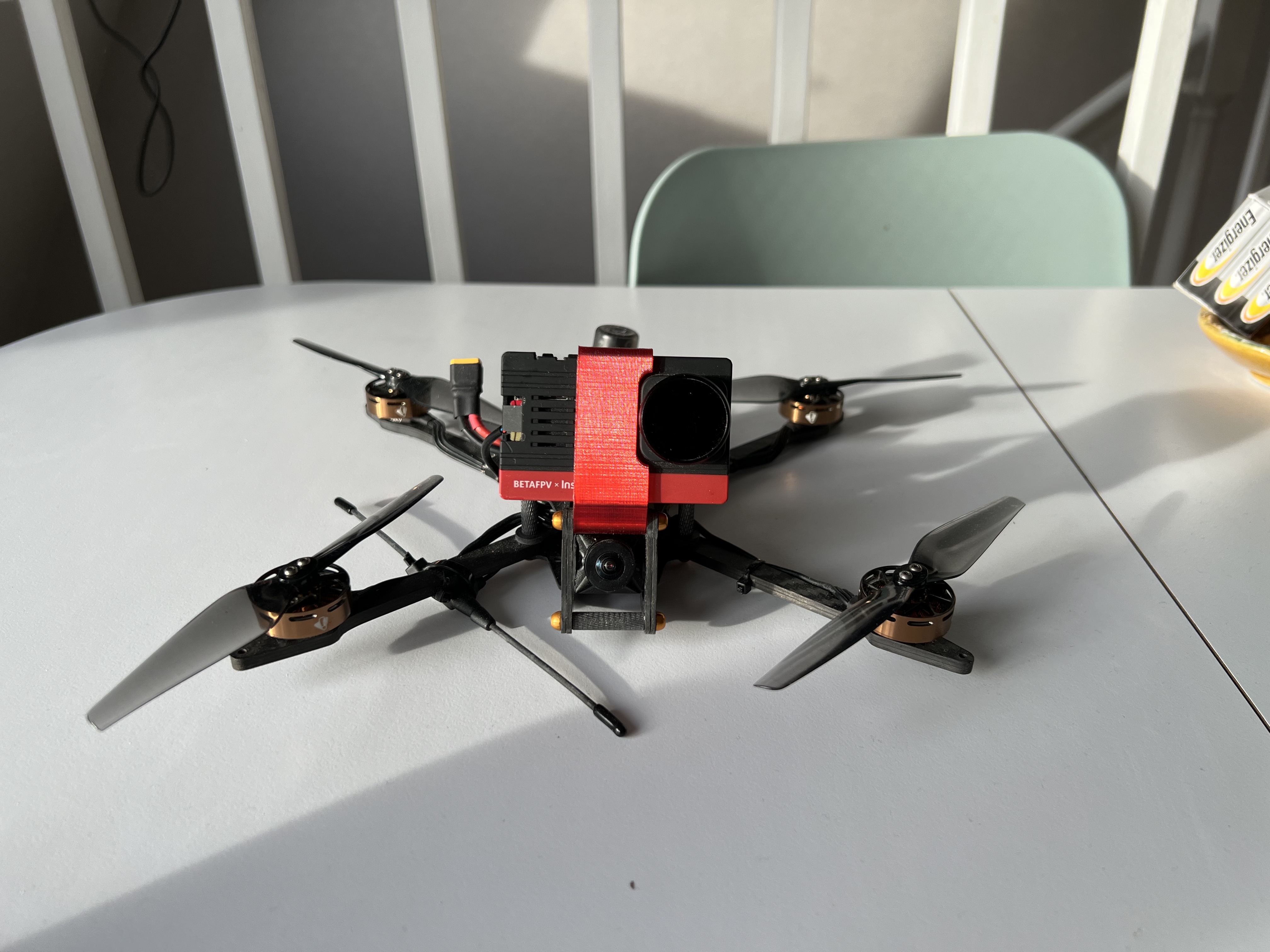
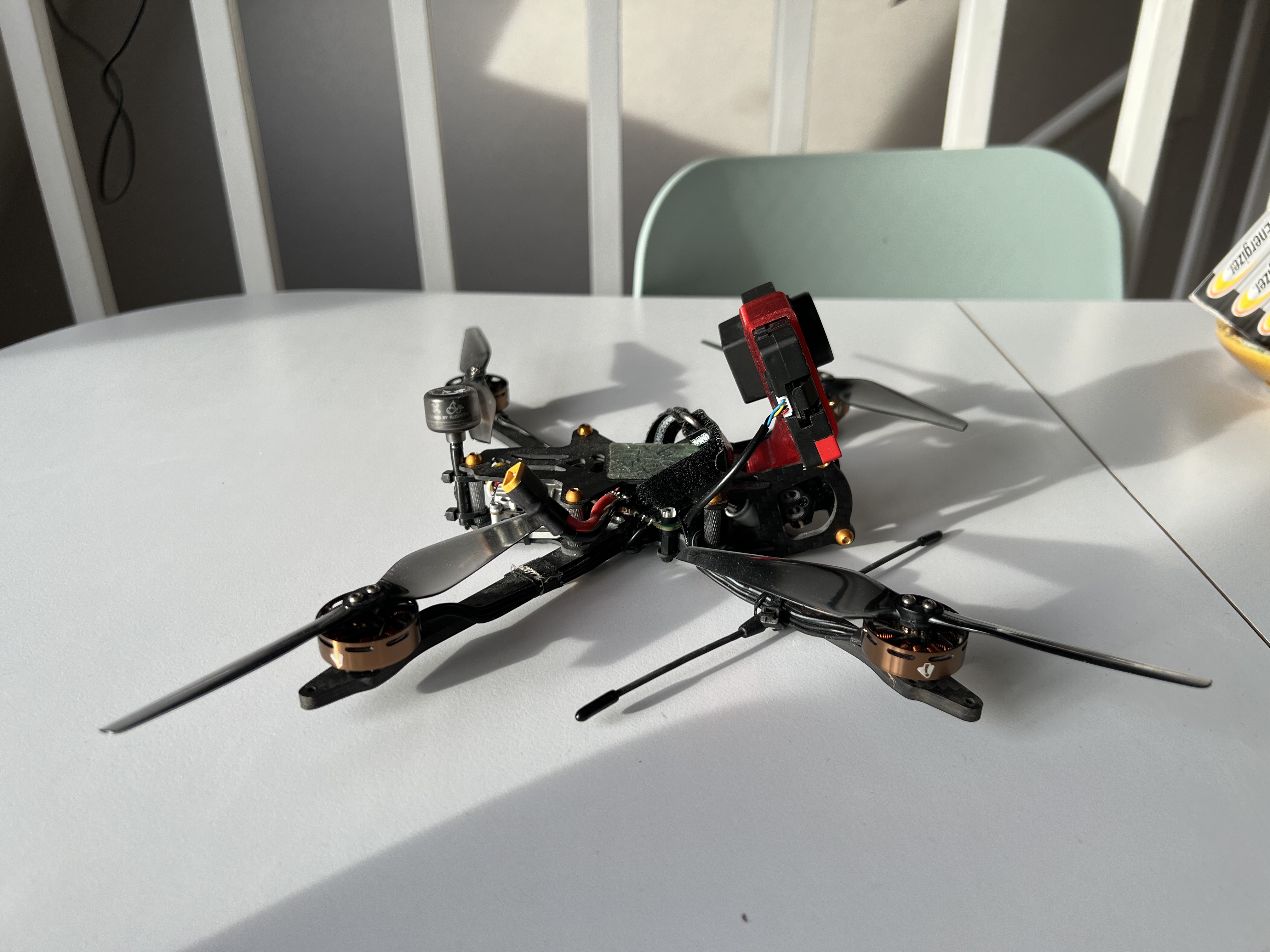
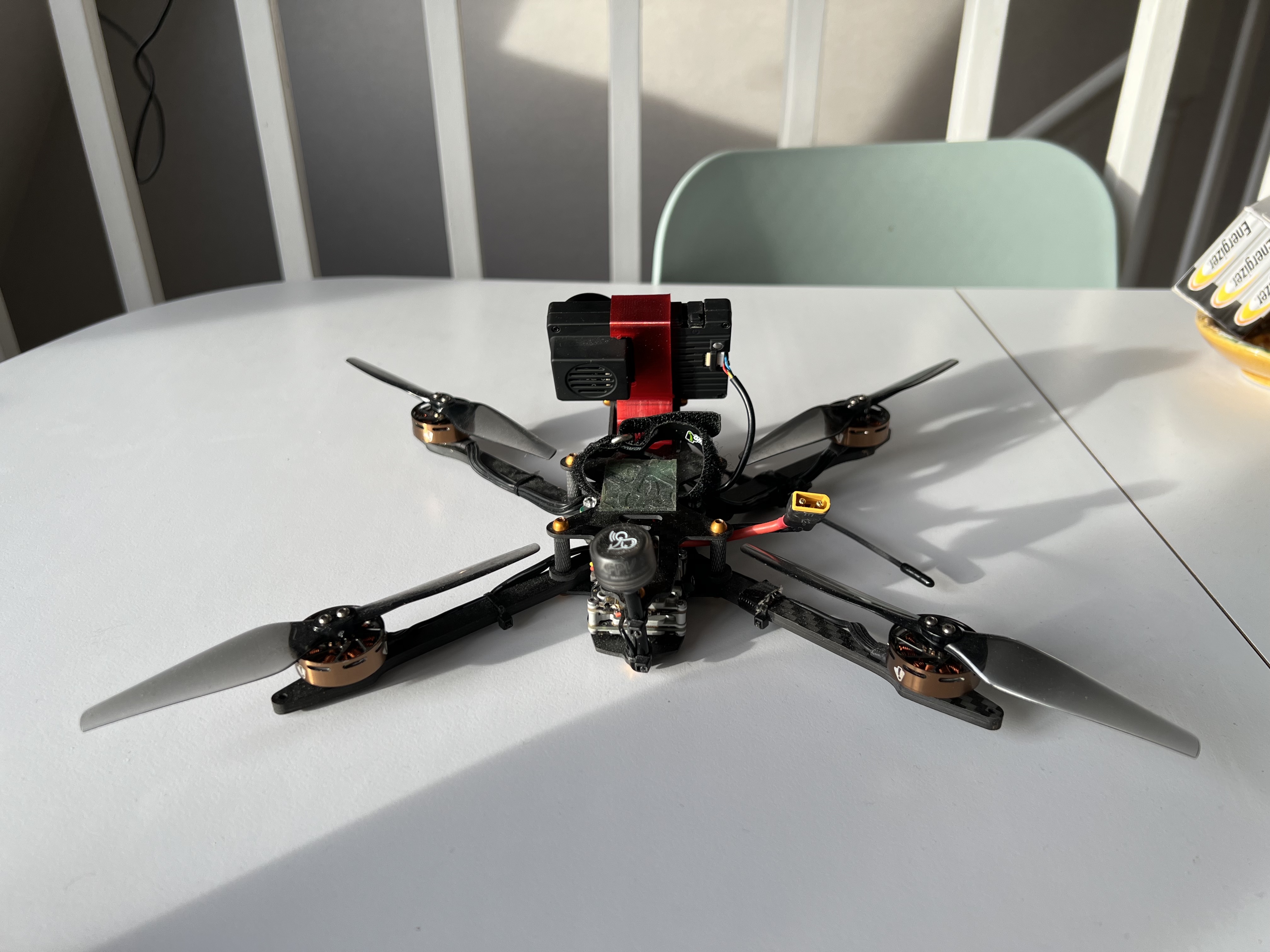
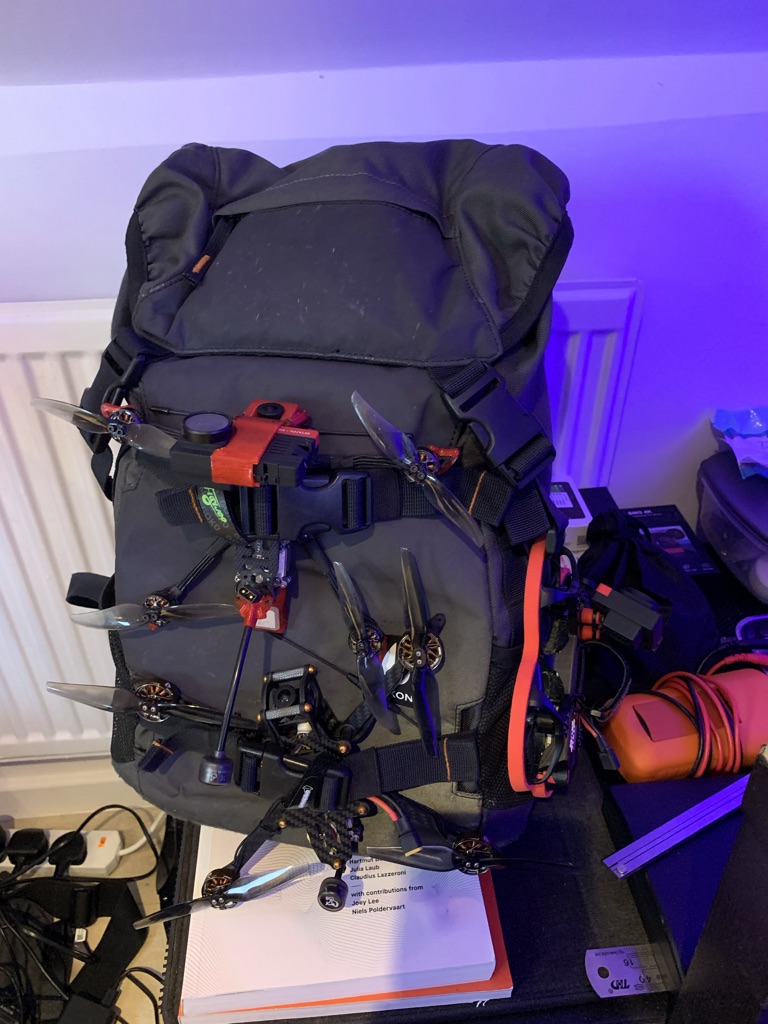
After a while with the small sub-250g builds I wanted to try something bigger, so I moved on to an Ummagawd 2Fiddy Ultra Light 5". It’s a lightweight freestyle frame, a step up from the 95X and the Flywoo in both size and power.